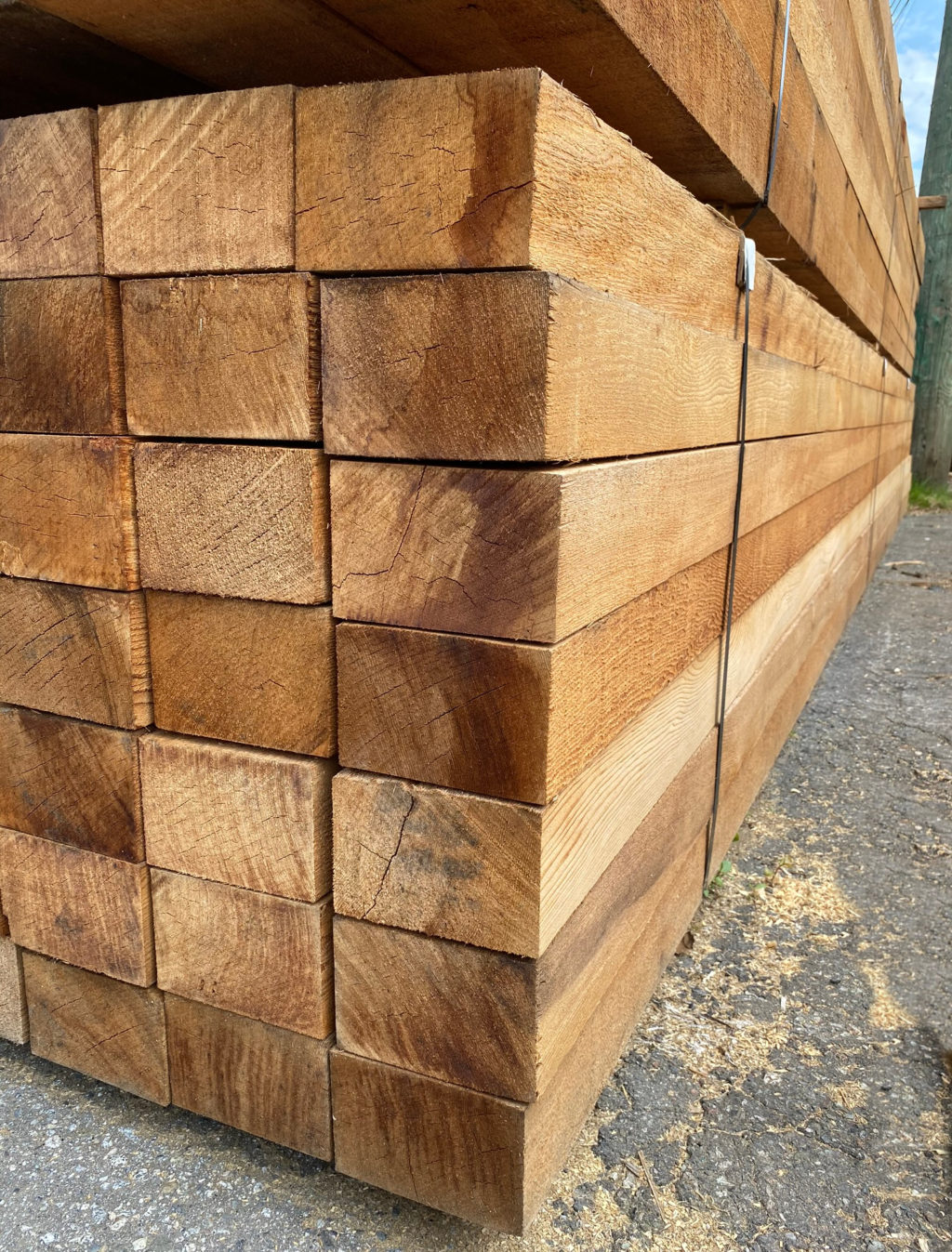
Western Red Cedar (Thuja plicata) has built quite the reputation for itself over the last decade. It is one of the largest trees in British Columbia’s Pacific region, growing up to 60 meters tall! Known for its warm colours, pleasant aroma, and good durability, Red Cedar is highly sought after for both indoor and outdoor applications. Red Cedar varies in colour from a light straw to pinkish red to a deep, dark brown. It is a lightweight and “soft” wood with moderate strength properties and excellent working qualities. Being a “softer” wood, it is more prone to dents and surface wear, making it a favourable option for carving or for decorative use.
Did you know that Yellow Cedar (Chamaecyparis nootkatensis) is not technically a “Cedar” – it is actually a Cypress!
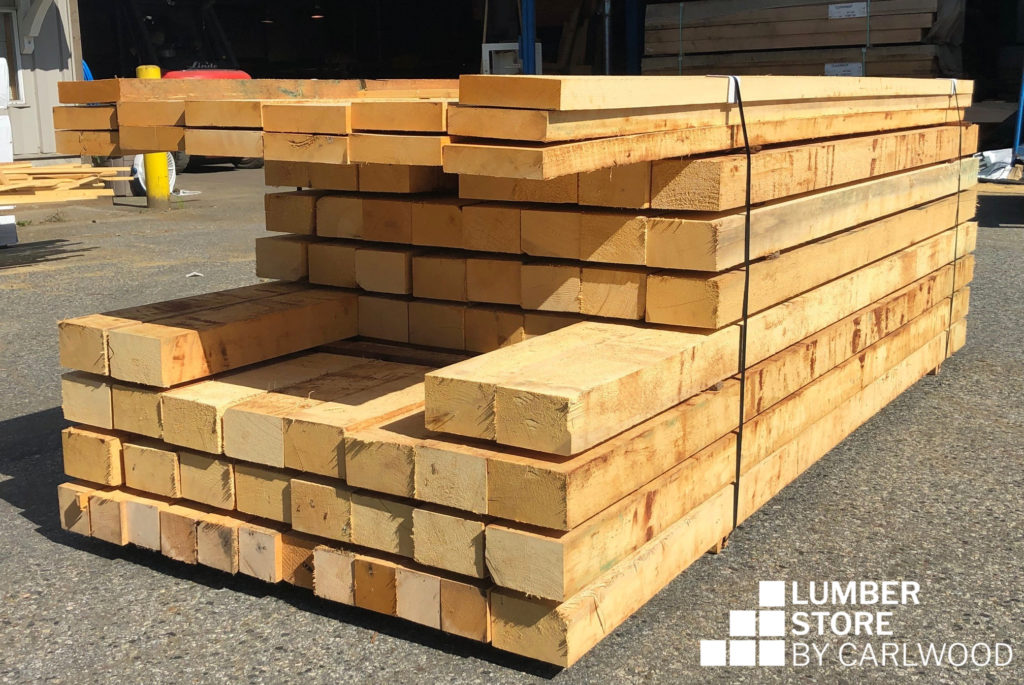
Yellow Cedar is a medium-sized tree that grows up to 24 meters tall and can be found along British Columbia’s coastal region. With its uniform and distinctive bright yellow colouring this species is prized for its straight grain, natural durability, and strength properties. It has exceptional working qualities, making it a favourite for exterior projects and fine millwork. Its tight grain also allows for clean cuts and crisp joinery, ideal for precision woodworking.
Yellow Cedar is denser and harder than Red Cedar, which allows it to hold up better under heavy foot traffic as it resists scratching and gouging (as decking, benches, or picnic tables for example). For outdoor projects like decks, pergolas, and exposed beams, Yellow Cedar often outperforms Red Cedar because of its superior durability, higher strength, and longer service life with minimal maintenance.
While both species are sustainably harvested in the Pacific Northwest, Yellow Cedar’s combination of strength, rot resistance, and stability makes it the better long-term investment for demanding outdoor applications.